THE DRESSMAKER’S LAST WALTZ
This is a story from 2025. We visited a friend in Newcastle and another friend visited. She is a dressmaker of very high-end wedding dresses. Part of the story is true—but only part. This was long listed in a short story competition for Hunter Writers’ Centre.
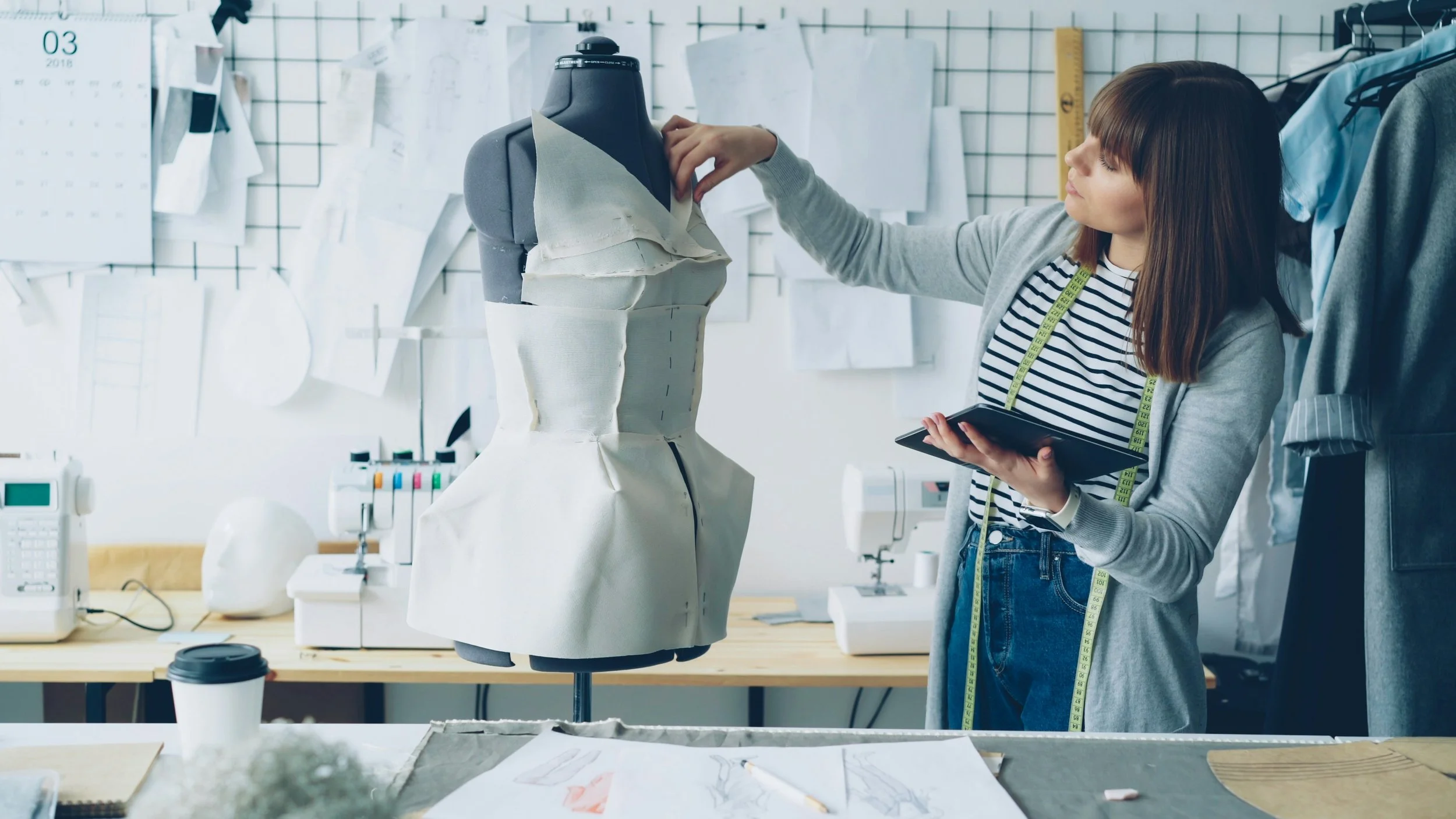
This will be my room for the night. More a workspace than a room, but it has a bed, wash basin, toilet, and workbench. My friends urge me to get a hotel, but I prefer not to spend the money. Besides, the bed — lounge cushions, a pillow, and a quilt on the concrete floor — suits my back. This is not my first time, so I know that, at night, it is bitterly cold. The cold comes in through the floorboards. It creeps beneath the worn layers of linoleum and settles in the soles of my feet long before morning. When I sleep, I try not to stir, so I lay stiffly beneath the patchwork quilt — stitched decades ago with fingers now gnarled and as stiff as roots— staring up at the cracked ceiling of the workroom. Outside, the city moves on without me. Buses groan past the shopfront, their low rumble vibrating through the glass panes etched with faded gold lettering that once displayed my name followed by – Fine Garments, Alterations, Custom Work. The letters have peeled over time, much like my pride, flaking away with wind and age.
There was time when I would not have even considered this type of living but that was long ago. Many years in fact. Back then, I ran my own business, catering for the affluent and designing haute couture wedding dresses and runway frocks for a select clientele. Back then, this room was full of life — clients laughing softly as they were pinned into silks and cashmere, bolts of fabric spilling like waterfalls across the floor, the steady hum of sewing machines singing a quiet hymn of purpose.
Now, the silence is all pervasive. There is only one sewing machine with the reliability to sing through the night, but it speaks silently most of the time, while I create the patterns, choose the fabric, measure it, mark it and cut it with fabric scissors, always hoping not to need a seam ripper to hide mistakes.
Time to start. I sit up slowly, biting back a wince. My back screams, the pain blooming from spine to hips, as predictable and cruel as the morning chill. My hands —twisted with arthritis — tremble as I reach for the wool shawl folded on the worktable beside me. It is one of the last things I had made without pain, years ago now, when my hands still obeyed.
I stand at the worktable, hands still, as I gaze down at a small package that was delivered late afternoon. Wrapped in brown paper and tied with twine, it bears foreign postmarks and a return address in Kolkata. I carefully undo the twine, unfolding layers of tissue. Inside are thousands of hand-sewn beads, delicate as dew. Glass, pearl, some antique, some dyed with crushed petals. Intricate patterns still faintly visible from where they were stitched onto silk by hands I have never met. The design is mine, and my employer will take credit for the hand sewing, but all I feel, as I take in the beauty of the beads, are tears of regret and memories of when it was entirely my creation. I touch a bead with the tip of my finger, as if afraid to disturb the story it carries. My eyes close briefly. I see not just the beads, but the artisans who sewed them by lamp light, perhaps whispering prayers into each stitch.
Fingers tremble slightly as I reach for the bodice. The gown shimmers under my touch — a cascade of silk and white organza, hand-embroidered with thousands of beads that glisten in the light. Weeks of sleepless nights live in every seam, every whisper of pleat. My work at its finest.
The dress — destined for the Paris Bridal Fair — is a delicate white gown for a young bride. It now lays across my lap, almost finished, full of promise. I pause often, massaging aching knuckles, whispering the same words I have chanted for decades: “One stitch more means one stitch less.” As the hours pass and the moon traces its arc across the sky, my movements became slower, but no less deliberate. I work through the pain, my skill guiding me where strength cannot. And, just as the first light of dawn creeps through the curtains, the final button is sewn, the hemline pressed smooth. I smile faintly, exhausted to the bones, but there is triumph in my heart. The dress is finished.
I stand in silence for a moment, listening to the nothingness that follows the silencing of the machine. Then, carefully, I turn back to my sewing machine — the one that no longer hums. — my fingers hover above the rusted metal and I blow it a goodbye kiss.
I boil water for tea and open the curtains to let in the watery light. The dress is given a final touch of reverence, as though it might remember whose hands have created it.
On the table beside me is the label: “Dolomiti Creations”, crisp, white, authoritative. I pick it up between two fingers, holding it like a bitter truth. Then, with deliberate calm, I set it down. I open the drawer beneath the table and, from within, draw out a small silk rectangle, the same shape, same size — but this one bears my name, embroidered in soft grey script. It says, simply “Eleanor.”
For a moment, there is hesitation, my breath catches. I can hear Dolomiti’s voice echoing in her head, sharp and smooth like the blades of fabric shears. “You’re not the name. You’re the hands. Do you think anyone buying this dress cares who stitched it, if Dolomiti is on the label?”
My jaw tightens. I thread the needle. With deft, practiced motions, I stitch the name into the lining of the gown — just beneath the hidden seam of the back panel, invisible to the casual eye. It isn’t ostentatious. It isn’t revenge. It’s a signature. A quiet declaration.
The seam closes and I run my fingers over it — a secret just for me, or for whoever wears the dress and wonders who truly made it sing. The label of the house lays untouched on the table, pale and lifeless.
The workshop lights will be turned off before I leave and step into the corridor I won’t look back. I don’t need to. I have no doubt Dolomiti’s private secretary will examine the dress upon arrival in Paris and query the label, but she will find a note with Dolomiti’s signature, showing that he has chosen a name for the dress. That name is Eleanor.
The phone rings. It echoes in the empty shop like an accusation. I move slowly, each step through the narrow workroom a test of endurance. My back spasms when I reach for the receiver.
‘Yes,’ I answer, voice gravelly.
‘Cadet Couriers. I believe there’s a packaged dress for me to pick up.’
‘Packed away and ready to go.’
In a few days, Antonio Dolomiti will take the stage and be lauded once again as the genius behind the house of Dolomiti, but he is a man who hasn’t designed a dress or picked up a needle in years. His genius is in delegation now — delegation to me, so I stand in the doorway as the courier carries the packaged dress to his van.
One day soon, the dress will walk. And my name will walk with it.
END